Safety is imperative as you walk/jog/run on the sidewalk, in the street, or on the park trails. Let’s take a look at how to dress yourself:
Bright colors – This is particularly important when the sun begins to set sooner and you are out in the dark. It always amazes me when I see joggers on the road wearing black or gray during the early morning or late evening hours. A bright pink or neon yellow t-shirt pulled on the last minute before you step out for that run may very well save your life. Reflective tape stripes on shoes, hat, jacket cuffs, or down the pant legs will be seen from the headlights of the cars.
No jewelry – You are sweating and either your jewelry is sticking to your body, or it is sliding off your fingers or wrist and getting ready to fall onto the ground. Now try to find it. Leave the jewelry at home.
Identification – Carry some form of ID on your body in case of an accident/medical emergency because you didn’t wear bright clothing. Business card, or hotel card if on vacation can be slipped into a pocket or better yet, in an RGI Outdoors Wrist Wallet which fits your ID and keys.
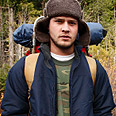
 Layering is a system of dressing for the outdoors. It allows you to be comfortable in a variety of conditions by adding or removing layers of clothing. No single garment can be expected to be right for all conditions. The system is as simple as 1 – 2 – 3: